Five European trips that are kind to your knees
Fewer stairs, shorter walks and trains that do the heavy lifting. Each route was planned for an unhurried pace, with honest notes on hills and cobblestones.
In this story
Switzerland by train
The Italian Riviera
Paris by riverboat
Rome in winter
The Greek islands
Planning tips
Questions readers ask
Plenty of us still want the cafés, the cathedrals and the long lunches. What we want less of is the four flights of stairs to the hotel room and the cobblestone march from a train station that is “only fifteen minutes” away. The good news is that Europe is full of trips where the transport does most of the work.
For this guide, our editors picked five routes that keep walking short and optional. For each one we note where the hills are, which base town is flattest, and what to book ahead.
1.Switzerland by train and lake boat

If you only take one trip from this list, make it this one. Swiss trains run on the minute, major stations have lifts, and the lake boats on Lucerne, Thun and Geneva are an excellent way to sit down and watch the scenery change.
The Swiss Travel Pass covers trains, most lake boats and city buses, so you are not buying tickets at machines. Base yourself in one or two towns and do day trips. Lucerne and Interlaken are both compact and mostly flat around the center.
- Walking
- Light. Short, flat town centers
- Best months
- June and September
- Book ahead
- Hotels near the station
2.The Italian Riviera, the easy way
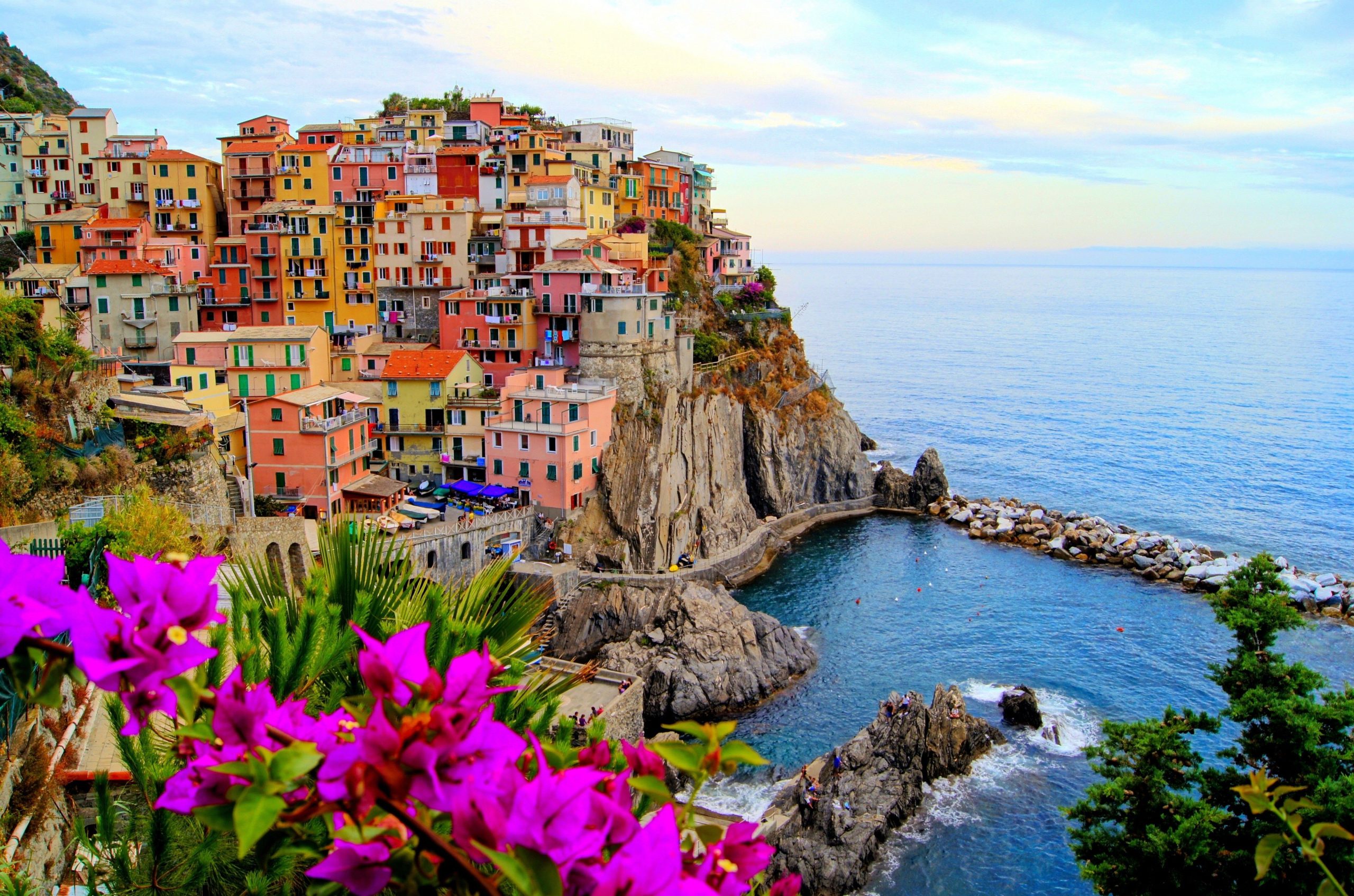
The Cinque Terre photos are famous, and so are its steep footpaths. You can skip them. A regional train links all five villages in a few minutes each, and boats run between them in good weather.
Stay in Monterosso al Mare, the largest village and the only one with a long, flat beachfront promenade. From there, take the train to one village each morning, have lunch and come back for a rest.
Take the train to one village each morning, have lunch, and be back in time for a rest.
3.Paris by riverboat

The Paris Metro is quick but full of stairs. Instead, use the Batobus, a hop-on, hop-off boat with stops near the Eiffel Tower, the Louvre and Notre-Dame. You sit, the city slides by, and you step off close to where you want to be.
Pick one neighborhood and stay put. The Marais and Saint-Germain are flat, full of benches and packed with cafés where nobody minds if you sit for an hour.
4.Rome in winter
Rome in July means heat and long lines in the sun. Between November and February the city is cooler, calmer and much easier on the legs. Book timed-entry tickets for the Colosseum and the Vatican Museums so you skip the queue entirely.
Be honest with yourself about cobblestones. Pack shoes with thick, flexible soles and plan for taxis between the main sights. They are inexpensive for short hops and save a lot of energy.
5.The Greek islands, with a plan
Santorini is beautiful and very steep. If you go, stay in Fira, where a cable car connects the clifftop town with the old port, and skip the donkey path. Better still for easy walking: Naxos and Paros have flatter harbor towns and gentle beaches.
- Walking
- Moderate. Choose your town carefully
- Best months
- May and late September
- Book ahead
- Ferries in summer
Planning tips that make any trip easier
- Ask for a low floor and a room near the lift when you book, then confirm by email a week before.
- Request airport assistance through your airline at least 48 hours ahead. It is free and covers the long walks to the gate.
- Pack light enough to lift your bag yourself. Many European trains have steps up to the carriage.
- Plan one main activity a day and leave the afternoon open. The best memories often come from the unplanned hours.
Questions readers ask
What is the easiest part of Europe to visit with limited mobility?
Switzerland is often the easiest, because trains, lake boats and mountain railways connect most sights and major stations are built for step-free boarding.
When is the best time for older travelers to visit Europe?
Late April to early June and September to mid October usually bring mild weather and thinner crowds, which means shorter lines and less standing around.
Should I book a guided tour or travel independently?
A small-group tour handles luggage and logistics, while independent travel lets you set your own pace. Many readers combine the two: they travel independently and book a few day tours.
Leave a Reply